
Mrs Spray & Wipe
Estimated Reading Time: 4 minutes
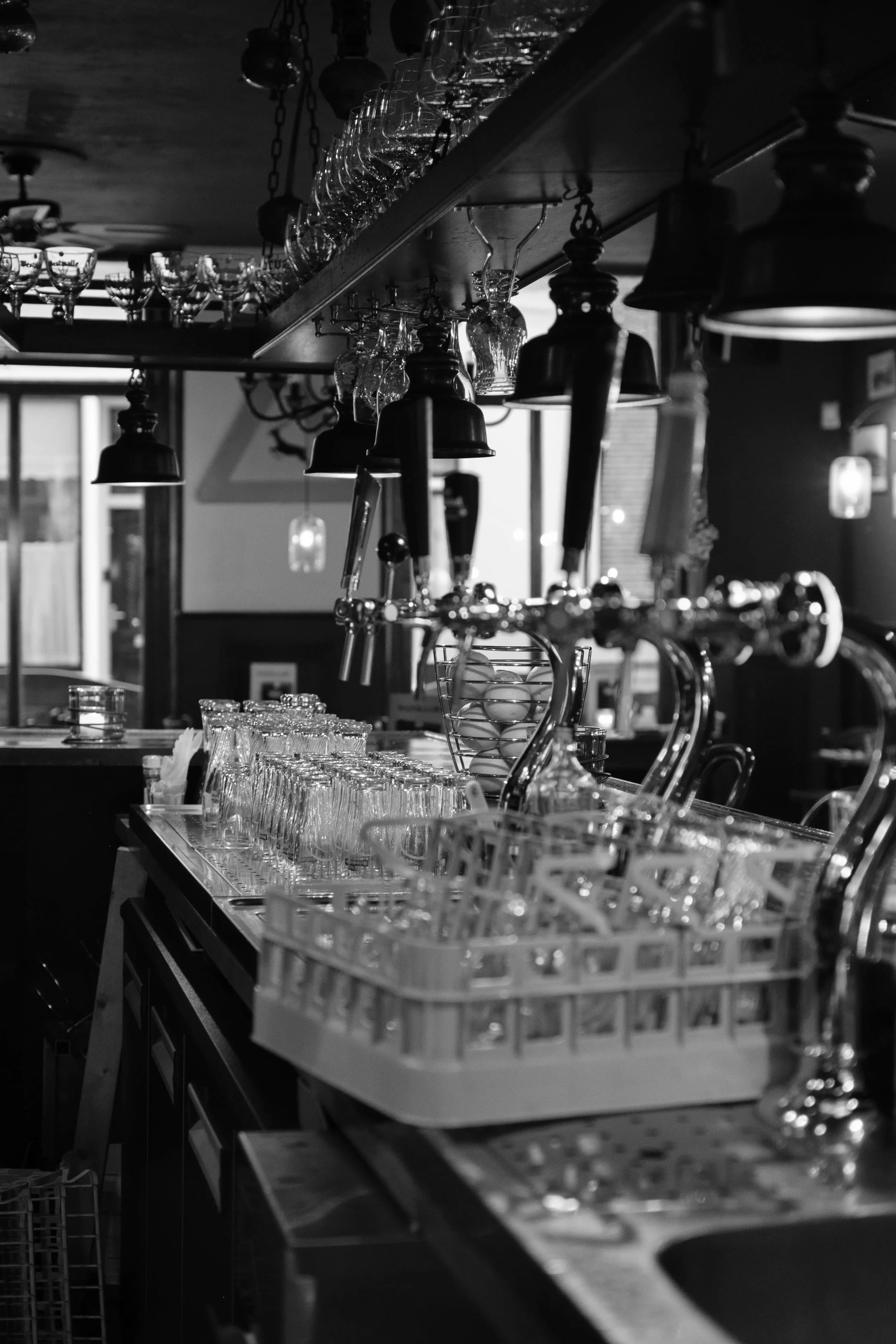
Career Stories | Sometimes the ordinary things we do at work say more about our strengths than the titles on our name badges.
Image by Haberdoedas on Unsplash
She called herself “just a barmaid.”
Nothing particularly special, in her mind.
She worked behind a bar. Served customers. Cleaned glasses. Restocked fridges. Wiped benches. Did all the ordinary things that need doing before, during and after a shift.
Her colleagues had another name for her.
Mrs Spray & Wipe.
It was affectionate, but it hadn't come from nowhere.
When she worked, things were clean. Properly clean.
The bar was organised. Stock was rotated. Things were where they were supposed to be. The next person didn't arrive to discover what hadn't been done. They could simply get on with their job.
None of this was particularly glamorous.
And perhaps that's why she didn't think much of it.
The things we stop noticing about ourselves
I've always been interested in what happens when you ask people what they're good at.
Quite often, the things they mention last are the things they do best.
Why?
Because when something comes naturally to us, we can assume it isn't particularly valuable.
“Anyone could do that.”
“That's just part of the job.”
Or, in this case:
“I'm just a barmaid.”
But sometimes other people can see our contribution more clearly than we can.
Mrs Spray & Wipe had been away from work for two weeks.
She'd returned, but a couple of shifts passed before one of her colleagues saw her again.
When they finally crossed paths, her colleague's reaction was immediate.
“OMG, YES! You are back.”
That response mattered.
For two weeks, her colleague had experienced the workplace without Mrs Spray & Wipe doing all those things she herself thought were simply part of the job.
The cleaning.
The organisation.
The stock rotation.
The way the bar was left ready.
The small things that meant other people could begin their shift without first having to sort everything out.
Her colleague had noticed the difference.
And now she was saying it out loud.
That's quite a long way from just a barmaid.
What was she actually good at?
Take away the job title for a moment.
What was happening here?
She noticed things.
She maintained standards without needing someone to tell her.
She thought about the person coming after her.
She organised.
She anticipated.
She took responsibility.
She created order.
She cared about doing ordinary work properly.
And she made somebody else's working day easier.
Those capabilities don't belong exclusively behind a bar.
They travel.
Those qualities have value in hospitality, but they’re not limited to it. They can travel with her into retail, administration, health, logistics, customer service or dozens of other workplaces.
The task changes. The underlying strengths don't necessarily change with it.
That's one of the reasons career conversations shouldn't only be about job titles.
Sometimes we need to look underneath them.
The things you barely notice about yourself may be the very things other people have come to rely on.
“Just” can hide a lot
Listen carefully when someone describes their work and you'll hear the word just surprisingly often.
“I'm just in reception.”
“I'm just a mum returning to work.”
“I just work in retail.”
“I'm only an apprentice.”
“I just help people out when they need it.”
That little word can shrink years of capability.
The receptionist who remembers every client and keeps a chaotic office moving.
The retail worker everybody asks to train the new starter.
The apprentice who can be trusted to prepare everything properly before the tradesperson arrives.
The colleague people quietly hope is rostered on with them.
These things rarely appear in a position description.
But they are evidence.
And when somebody is thinking about changing careers, returning to work or simply wondering what else they might be capable of, that evidence matters.
Look for what changes when you're there
There is another way of asking what you're good at.
Instead of:
“What are my strengths?”
try:
“What is different because I'm there?”
Maybe things become calmer.
Maybe customers feel welcome.
Maybe problems get noticed earlier.
Maybe the team laughs more.
Maybe somebody finally makes a decision.
Maybe things get organised.
Maybe the new person feels included.
Maybe the bar is simply ready for the next shift.
These can look like very small things.
They aren't always.
Because sometimes the best evidence of your value isn't something you can see in yourself.
It's what other people have come to rely on.
For Mrs Spray & Wipe, it took two weeks away and a colleague's spontaneous reaction to make something visible that had been there all along.
“OMG, thank God you are back.”
Sometimes a few words from somebody else can tell us an awful lot about the value we bring to work.
What do people notice when you’re not there?
Think about the workplaces you've been part of.
What became easier, better, calmer or more organised simply because you were there?
And what have colleagues, customers or managers said about you that you may have dismissed because the thing they valued seemed ordinary to you?
There may be more career evidence in those moments than you realise.