
Self-belief is stronger when it's built on your own evidence
2 minute read
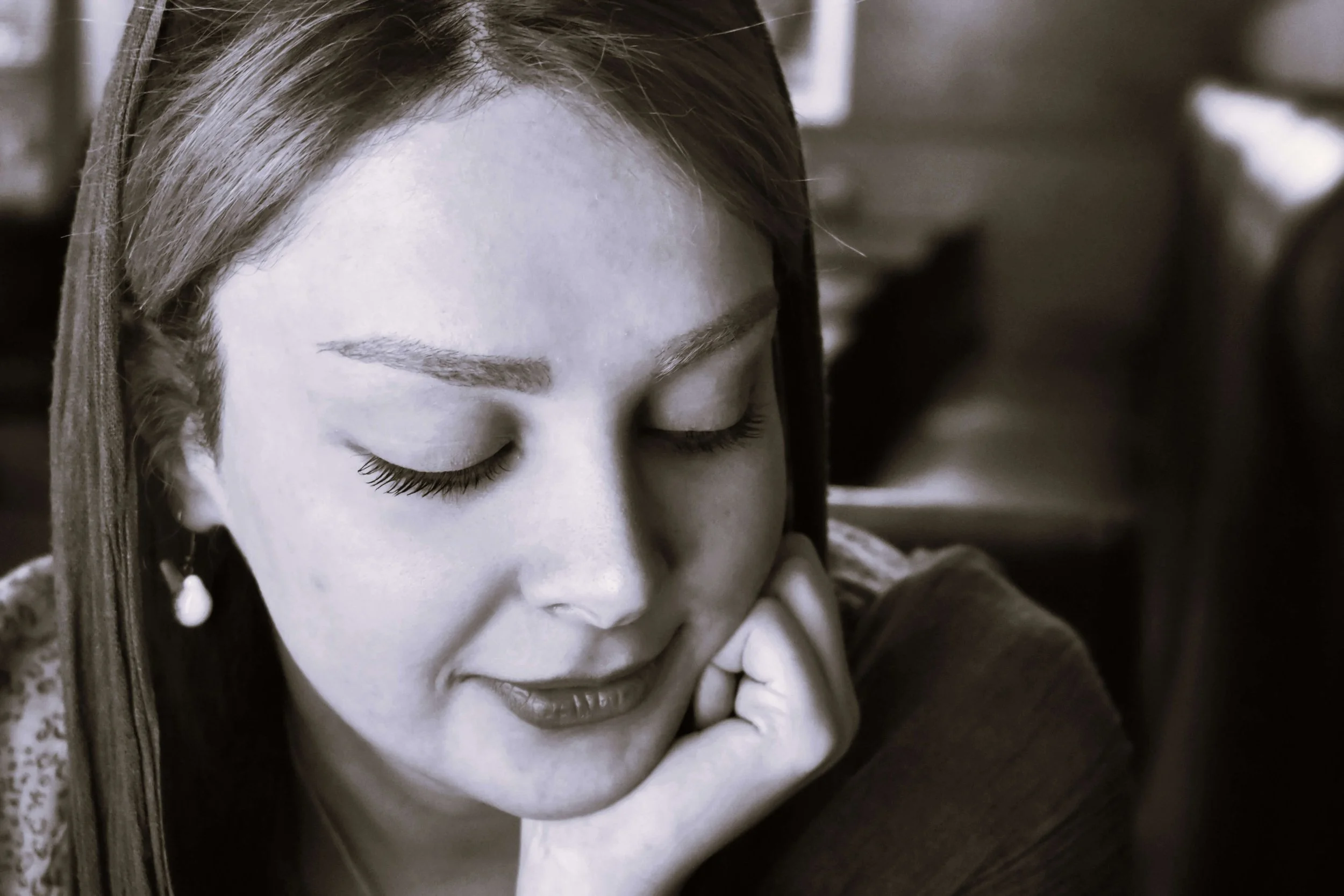
Waypoint Principle | Recognising the evidence already within your own story | Image by Mehrpouya H | Unsplash
Recently, someone reminded me about a person I helped a few years ago.
She had originally come to me for help with her resume. I was told that the conversations we had around that time helped her take a first step towards study.
From there came work, more study, new possibilities and, apparently, a very different level of confidence in herself.
I'd love to tell you exactly what I said to her.
I can't.
I don't remember the conversation.
And strangely, that's one of the things that has stayed with me since receiving the feedback.
What I do remember is how I approached conversations like hers.
A resume was rarely just about finding better words.
I wanted to know where someone wanted to go, but I also wanted to understand what they might already have that they weren't giving themselves enough credit for.
So I'd ask questions.
When did someone thank you for something you'd done?
When did a colleague or manager ask for your help?
What problem did you solve?
When was there a moment at work when you quietly felt proud of yourself?
Given enough time, and the right questions, stories would usually start to emerge.
Often, the person telling them didn't think there was anything particularly remarkable about what they'd done.
That's where it became interesting.
I could use their own words, their own experiences and their own impressions to reflect back what I was hearing.
Not false praise.
Not something I'd invented to make them feel better.
Their evidence.
Sometimes there'd be disbelief at first. Then an awkward smile.
“Yes. That is me.”
Those stories could become something practical.
They might shape a stronger resume, provide an example for an interview question, help with a cover letter or suggest a direction for further training.
But I think their greater value was often something simpler.
The person might leave walking just a little taller because they'd been reminded that they had something to offer.
Not because I'd told them to believe in themselves.
Because we'd found some reasons why they could.
And while the conversation might begin with work, believing you have something to offer can matter well beyond it.
Take a moment
Think of one occasion when someone thanked you, praised you, relied on you or asked for your help.
Or perhaps think of a moment when you quietly felt proud of something you'd done.
Don't dismiss it because it seemed ordinary to you.
What does that moment provide evidence of?
Self-belief doesn't always have to start with telling yourself to be more confident.
Sometimes it starts with recognising the evidence that's already there.